



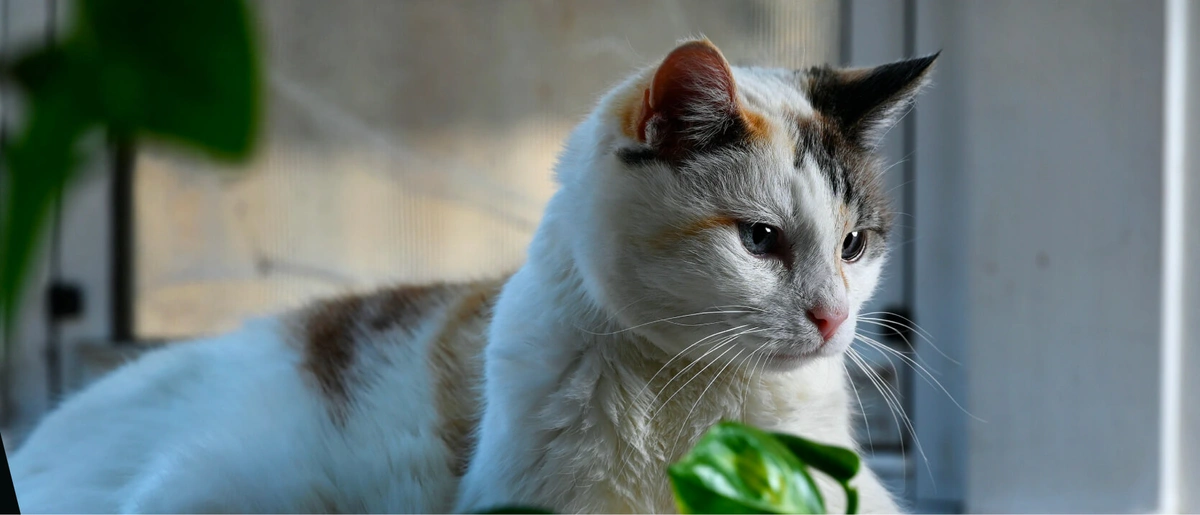
For many people, pets are not just animals; they are beloved members of the family. However, when it comes to renting a property, accommodating these furry, feathered, or scaly companions can be a challenge. This is where a pet addendum comes into play. A pet addendum is a legal document that is attached to a lease agreement which outlines the terms and conditions for keeping a pet at a rental property. It modifies or supplements the original lease or main lease to address pet-related issues. Many landlords require a pet addendum even if the main lease already contains pet clauses.
Table of Contents
What Is a Pet Addendum?
A pet addendum is a supplementary document to a lease agreement or residential lease agreement that addresses the presence of pets on the rental property. It establishes the rules, responsibilities, and obligations of both the landlord and tenant when it comes to housing pets. This document is designed to ensure that the pet is a welcome and well-managed addition to the property without causing any harm or disturbance to the premises or other residents. A pet clause within the addendum specifies the rules and restrictions regarding pet ownership. The pet addendum should include the following information to ensure all parties are aware of the pet-related terms.
The Purpose of a Pet Addendum
The primary purposes of a pet addendum are as follows:
- Clear Guidelines: It provides clarity to both the landlord and the tenant about what is expected when it comes to keeping pets on the property.
- Protecting Property: A pet addendum helps protect your rental property from potential damages caused by pets. It specifies that the tenant is responsible for any pet-related damages.
- Addressing Legal Liability: It outlines the liability of both parties in the event that the pet causes harm or injury to others on the property.
- Maintaining Peace: The addendum will include rules to ensure that the pet does not disturb other tenants.
- Defining Pet Types and Limits: The addendum will specify the exact pets that are permitted in the property.
The addendum should outline tenant responsibilities regarding pet care and property maintenance. A hold harmless clause is often included to protect and harmless the landlord from liabilities or damages caused by pets. The pet addendum should also state that the tenant agrees to all terms and conditions specified within the document.
Elements of a Pet Addendum
Pet addendums are not one-size-fits-all. They can vary significantly depending on the landlord’s preferences and local regulations. However, there are several common elements you can expect to find in a pet addendum. Reviewing a sample pet addendum can help clarify what elements to include. Most states have specific rules regarding pets in rental properties, so it is important to be aware of these differences. Complying with states rules when drafting a pet addendum helps prevent misunderstandings and legal issues.
1. Description of the Pet
This section typically includes information about the pet, such as its name, breed, age, weight, and any special characteristics, including whether the pet is a dog or cat. The pet description should be detailed to clearly identify the specific pet covered by the addendum, such as type, breed, age, weight, and unique identifiers. If a new pet is acquired, the addendum should be updated to reflect this change. The owner or person responsible for the pet must also be identified in the addendum. Providing a detailed description can help avoid any misunderstandings regarding which pet is covered by the addendum.
2. Pet Fees
Pet fees are financial obligations imposed on tenants with pets. There are three common types of pet fees:
- Pet Rent: Pet rent is an additional monthly amount that tenants with pets pay along with their regular rent. This rent is intended to offset the potential wear and tear on the property and the additional maintenance costs associated with pets.
- Non-Refundable Pet Fee: A non-refundable pet fee is a one-time payment made by the tenant to the landlord. Unlike a pet deposit, this fee is not refundable and is collected to cover potential pet-related damages.
- Pet Deposit: A pet deposit is a refundable amount of money that the tenant pays upfront as a security for any potential pet-related damages. Unlike the non-refundable pet fee, the pet deposit will be returned to the tenant if there are no damages beyond normal wear and tear. Normally a pet deposit can only be used for pet-related damage.
Note: It is important to clearly state in the pet addendum whether a fee is non-refundable or refundable to avoid confusion and disputes over pet-related costs.
3. Responsibilities of the Tenant
This section outlines the tenant's obligations regarding their pet. These responsibilities may include the following:
- Cleaning up after the pet
- Complying with local pet laws and regulations
- Ensuring the pet does not disturb other tenants
- Repairing any damage caused by the pet
4. Pet Insurance
Some landlords require tenants with pets to carry pet insurance. This insurance can cover any potential liabilities or damages caused by the pet. Tenants may need to provide proof of this insurance as part of the addendum.
5. Violations and Penalties
This section details the consequences of violating the terms of the pet addendum. Violations can include not cleaning up after the pet, allowing the pet to disturb other tenants, or housing an unauthorized pet. Penalties may range from fines to eviction.
Pet addendums are an essential aspect of rental agreements for both landlords and tenants. They serve to create a harmonious living environment for all residents while protecting the property and addressing liability concerns. Understanding the various elements of a pet addendum, as well as the perspectives of both landlords and tenants, is crucial for a successful and positive rental experience when pets are involved. By adhering to the terms of the pet addendum, effectively communicating, and being prepared for potential disputes, tenants and landlords can coexist happily in pet-friendly rental properties.
Emotional Support and Service Animals
Emotional support animals and service animals are treated differently under federal law, particularly the Fair Housing Act. Landlords must provide reasonable accommodations for tenants who require emotional support animals or service animals, even if their rental property has a “no pets” policy. Emotional support animals offer comfort and emotional support to individuals with mental health conditions, while service animals are specifically trained to perform tasks for people with disabilities.
Landlords are permitted to request documentation from a licensed healthcare professional to verify a tenant’s need for an emotional support animal. However, service animals—such as guide dogs for the visually impaired—are not subject to pet fees, pet deposits, or breed restrictions, and landlords cannot require additional documentation beyond what is necessary to confirm the animal’s role. It is important for both landlords and tenants to understand these distinctions to ensure compliance with federal law and to avoid unnecessary disputes regarding pet fees or the presence of protected animals in the rental property.
Risks of Not Having a Pet Addendum
Failing to include a pet addendum in a rental agreement can leave landlords vulnerable to a range of risks. Without a clear pet policy, it becomes difficult to enforce pet rules, collect pet fees, or hold tenants accountable for property damage caused by their pets. This lack of clarity can lead to disputes over pet waste, noise, and damage, potentially resulting in costly repairs or even legal action.
A well-drafted pet addendum protects both the landlord and the property by outlining the tenant’s responsibilities, such as cleaning up after their pet and covering any damage. It also establishes clear rules regarding pet ownership, helping to prevent misunderstandings and ensuring that all parties are aware of their obligations. By including a pet addendum in the rental agreement, landlords can minimize liability, safeguard their investment, and create a more harmonious living environment for all residents.
Best Practices for Landlords
To effectively manage pet ownership in rental properties, landlords should adopt best practices when drafting a pet addendum. Start by clearly stating which pets are allowed, including any breed, size, or number restrictions. Outline all pet rules, such as requirements for pet waste disposal, noise control, and supervision in common areas. Specify any pet fees, deposits, or pet rent, and detail the tenant’s responsibility for property damage.
Landlords should also require tenants to provide documentation for emotional support animals and service animals, as well as proof of liability insurance to cover potential injuries or damages. Regularly review and update the pet addendum to stay compliant with changing laws and local ordinances. By setting clear expectations and responsibilities, landlords can protect their property, reduce disputes, and ensure a positive rental experience for both parties.
