


Florida Eviction Notice: A Guide to Requirements, Forms, and State Laws
Need an eviction notice?

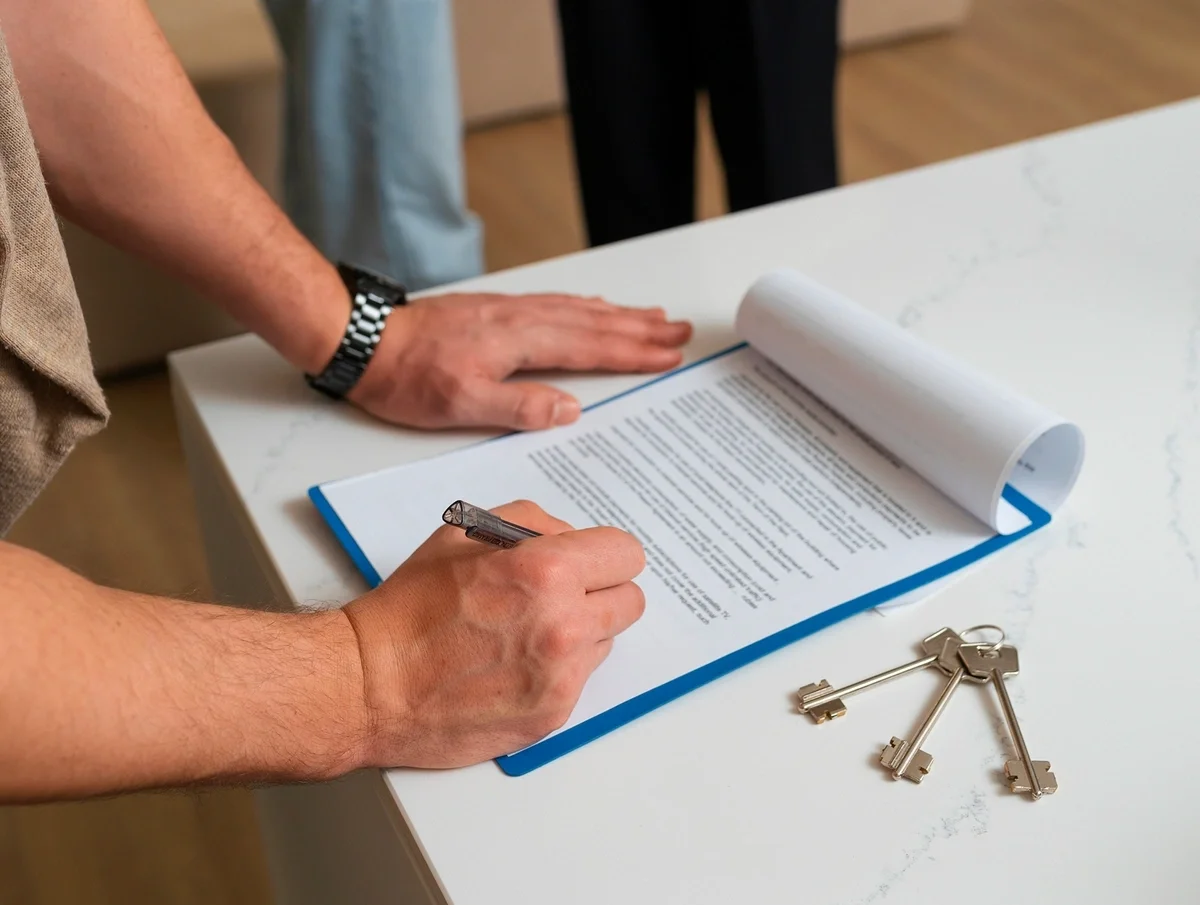
An eviction notice in Florida provides essential legal protection for landlords by establishing the formal process required to terminate a tenancy and regain possession of rental property. Whether you are dealing with non-payment of rent, lease violations, or need to end a month-to-month tenancy, understanding Florida's eviction laws under Chapter 83 of the Florida Statutes is crucial for protecting your property rights while ensuring compliance with tenant protection laws.
This comprehensive guide explains everything Florida landlords need to know about creating legally valid eviction notices, from statutory requirements and service rules to choosing the right type of notice and avoiding costly mistakes that can delay or derail the eviction process.
Table of Contents
What Is an Eviction Notice in Florida?
An eviction notice is a legal document that formally notifies a tenant that their tenancy is being terminated and requires them to either correct a specified violation, pay overdue rent, or vacate the rental property within a specific time frame. In Florida, eviction notices are governed by Chapter 83, Part II of the Florida Statutes, commonly referred to as “The Florida Residential Landlord and Tenant Act,” which establishes strict requirements for when and how landlords can terminate tenancies.
To initiate an eviction action in Florida, a landlord must serve the appropriate notice to the tenant and follow all statutory procedures before proceeding with a court filing.
Creating an eviction notice does not immediately remove a tenant from your property. Instead, it serves as the required first step in the legal eviction process, officially known as an unlawful detainer action. The notice informs the tenant of the issue and provides them an opportunity to respond before you can file a lawsuit in court. This legal framework becomes essential when tenants fail to pay rent, violate lease terms, or remain in the property after their tenancy should have ended.
Florida’s eviction laws underwent significant changes in 2023, with modifications to notice requirements for terminating month-to-month tenancies and stricter penalties for landlords who engage in retaliatory or self-help evictions. Understanding these requirements is essential for landlords navigating Florida’s eviction landscape while protecting their rights and avoiding serious legal and financial penalties.
Create Your Florida Eviction Notice Today
Get StartedWhen Do You Need an Eviction Notice in Florida?
Florida landlords need eviction notices in numerous situations when tenants fail to comply with lease or rental agreement terms or when landlords need to terminate a tenancy. The specific type of notice required depends on the reason for eviction and the type of lease or rental agreement in place.
Consider serving an eviction notice when facing these circumstances. If your tenant fails to pay rent when due, you can serve a three-day notice to pay rent or quit, giving the tenant three business days (excluding weekends and legal holidays) to pay the full amount owed or vacate the specific dwelling unit. This is the most common type of eviction notice in Florida and addresses the straightforward issue of non-payment.
For lease violations that can be corrected, such as unauthorized pets, unauthorized subletting, property damage, or excessive noise, you can serve a seven-day notice to cure or quit, allowing the tenant seven days to fix the problem or move out. When tenants commit serious violations that cannot be corrected—such as intentionally destroying property, creating unreasonable disturbances, or repeating the same lease violation within a 12-month period—landlords can serve an unconditional seven-day notice to quit with no opportunity for the tenant to remedy the situation.
For month-to-month tenancies without cause for eviction, Florida law requires landlords to provide at least 30 days’ notice prior to the end of any monthly period to terminate the tenancy. This requirement changed from 15 days to 30 days in 2023, bringing Florida in line with many other states’ notice requirements. For week-to-week tenancies, landlords must provide at least seven days’ notice prior to the end of any weekly period.
When a fixed-term lease expires and the landlord does not wish to renew, Florida law does not automatically renew leases. Tenants who continue to occupy the property after the lease expires become “holdover tenants” and are treated as having a tenancy without a specific term based on the rental payment period. Recent changes to Florida law also require landlords and tenants to provide between 30 and 60 days’ notice when terminating a lease with a specific duration if the lease or rental agreement contains such a notice requirement.
Florida Eviction Notice Requirements and Validity
Florida has specific statutory requirements under Chapter 83 that must be met for an eviction notice to be legally valid and enforceable. The notice must include the address of the leased premises, ensuring that the property subject to the notice is clearly identified. Understanding these requirements ensures your notice will withstand legal scrutiny if you need to proceed to an unlawful detainer lawsuit.
Landlords should also check for current fees and requirements before preparing and serving eviction notices to ensure compliance with the latest regulations.
Required Elements of Valid Florida Eviction Notices
Every eviction notice in Florida must include specific elements to be enforceable: a clear statement explaining the reason for termination; a defined period for the tenant to respond through payment, corrective action, or vacating; the rental unit’s complete address; the names of all adult tenants living on the premises (if names are unknown, they may be listed as “unknown tenants”); the date the notice is issued; and language that adheres to legal standards and statutory requirements.
For three-day notices to pay rent or quit, landlords must state only the exact amount of rent due without including late fees unless the lease explicitly defines late fees as part of rent. If the lease separates late fees from base rent, they should not be included in the amount demanded, as including improper charges can make the notice defective and require the landlord to reissue a corrected notice before proceeding.
The notice must specify exactly when the three-day period expires using the “on or before date” section. The three-day notice period excludes Saturdays, Sundays, and legal holidays from the calculation. The notice must also be signed and dated to show the courts when service was made and must specify the type of service used—either by posting or mailing—to determine the validity of the notice.
A copy of the notice must be attached to the original complaint when filing for eviction.
Service of Notice Requirements
Florida Statute Section 83.56(4) establishes how eviction notices must be delivered, or served, to be legally effective. The delivery of written notices may be accomplished by mailing or delivery of a true copy of the notice to the tenant, or, if the tenant is absent from the premises, by leaving a copy of the notice at the residence.
These service methods provide landlords with flexibility while ensuring tenants receive proper notification. Personal hand delivery to the tenant is the most straightforward and reliable method. If the tenant is not present at the property, the landlord or their agent can leave a copy of the notice at the tenant's residence. Some landlords also choose to send notices by certified mail with return receipt requested to establish proof of delivery, though this is not required for initial eviction notices.
Service by posting involves affixing the notice in a conspicuous place on the property, such as the front door, and many landlords photograph the posted notice to document service. When mailing notice, landlords should add five calendar days to the notice period to account for variable delivery times.
Landlords must complete a Declaration of Service or Affidavit of Service documenting exactly when, where, and how the notice was served. This documentation becomes crucial evidence if the landlord needs to file an unlawful detainer lawsuit. The notice requirements under Florida Statutes cannot be waived in the lease agreement.
Notice Period Calculation and Timing
For three-day notices, the count begins on the day after the notice is served, excluding weekends and legal holidays from the calculation. For example, if a three-day notice is served on Friday and Monday is a legal holiday, the three-day period would not expire until Thursday. Day 1 is the first day after the tenant receives the notice, and only business days are counted.
For 30-day notices to terminate month-to-month tenancies, every calendar day counts including weekends and holidays. The notice must be given at least 30 days prior to the end of any monthly period. The monthly period begins and ends on the date when the monthly payment is due. Therefore, if rent is due on the 15th day of the month, the notice must be given at the latest on the 14th of the previous month to satisfy adequate notice of lease termination.
Miscalculating notice periods is one of the most common errors that can invalidate an eviction and require landlords to restart the entire process from the beginning.

Types of Eviction Notices Available in Florida
Florida law recognizes several distinct types of eviction notices, each designed to address specific circumstances and violations. Selecting the appropriate notice type ensures your eviction proceeds legally and efficiently.
Three-Day Notice to Pay Rent or Quit
A three-day notice to pay rent or quit is used when a tenant fails to pay rent on time. The tenant has three business days (excluding weekends and legal holidays) to either pay the full amount of rent owed or vacate the property. This is the most common type of eviction notice in Florida and addresses the straightforward issue of non-payment.
Florida law considers rent late three days after its due date (excluding Saturday, Sunday, and legal holidays), though landlords must account for any grace period provided in the lease agreement before serving the notice. The notice must demand payment of the rent or possession of the premises within three days from the date of delivery.
The notice must state the exact total amount of rent due—the amount can only include back rent, and no late fees or damages may be added unless the lease explicitly allows late fees to be included as part of rent. If the tenant pays the full amount within the three-day period, the eviction process ends and the tenancy continues. Acceptable forms of payment typically include cashier's check, money order, cash, personal check, or credit card, especially when depositing rent funds with the Clerk and Comptroller's office. However, landlords should note that under Florida Statute 83.56(5), accepting any rent after initiating the eviction process may result in dismissal of the case.
If the tenant neither pays the rent nor moves out within three days, the landlord can file an unlawful detainer lawsuit in court, and a copy of the three-day notice must accompany the complaint at the time of filing.
Seven-Day Notice to Cure or Quit
A seven-day notice to cure or quit is used for lease violations other than non-payment of rent that can be corrected. This includes unauthorized pets, unauthorized occupants or subletting, excessive noise disturbing neighbors, improper use of the property, or violation of reasonable rules in the rental.
The notice must specify the non-compliance and give the tenant seven days to remedy the problem or vacate the premises. The notice should state the violation clearly and include language indicating that if the same conduct or conduct of a similar nature is repeated within 12 months, the tenancy is subject to termination without further warning and without the tenant being given an opportunity to cure the noncompliance.
Florida Statute Section 83.56(2)(b) requires specific statutory language in these notices. A sample notice must be substantially similar to: "You are hereby notified that [describe the violation]. Demand is hereby made that you remedy the noncompliance within seven days of receipt of this notice or your lease shall be deemed terminated and you shall vacate the premises upon such termination. If this same conduct or conduct of a similar nature is repeated within 12 months, your tenancy is subject to termination without further warning and without your being given an opportunity to cure the noncompliance."
If the tenant corrects the violation within seven days, the tenancy continues. If the tenant fails to cure the problem or move out, the landlord can file an eviction lawsuit, and a copy of the seven-day notice must accompany the complaint at the time of filing.
Seven-Day Unconditional Notice to Quit
An unconditional seven-day notice to quit informs the tenant that their tenancy is terminated effective immediately and they must vacate within seven days. Unlike the notice to cure, this notice provides no opportunity for the tenant to fix the violation. Florida law allows landlords to use this notice only in specific serious circumstances.
Under Florida Statutes, landlords can serve an unconditional seven-day quit notice when the tenant intentionally destroys the rental property or property of other tenants, creates unreasonable disturbances at the property, or commits the same lease violation a second time within a 12-month period after receiving a previous seven-day notice to cure for that violation.
This is the most aggressive type of eviction notice and is reserved for serious violations that warrant immediate termination without opportunity to cure. Courts scrutinize these cases carefully to ensure the alleged violation truly justifies such immediate action.
30-Day Notice to Terminate Month-to-Month Tenancy
For month-to-month tenancies without cause for eviction, Florida Statute Section 83.57 requires landlords to give written notice at least 30 days prior to the end of any monthly period. This requirement changed from 15 days to 30 days in 2023 legislation that modified the Florida Residential Landlord and Tenant Act.
The 30-day notice does not require the landlord to state a specific reason for termination, as it is used to end a tenancy without a specific term. However, landlords cannot use this notice to evict for violations or unpaid rent—those situations require three-day or seven-day notices as appropriate.
The notice must inform the tenant that the rental agreement is terminated and specify the date by which the tenant must vacate. Because the monthly period begins and ends on the date when rent is due, landlords must calculate the 30-day period carefully. For example, if rent is due on the 1st of the month, notice must be given by the 1st of the previous month to terminate at the end of that following month.
The 30-day period counts every calendar day including weekends and holidays. If the tenant does not vacate by the specified date, the landlord can file an eviction complaint with the court, and a copy of the 30-day notice must accompany the complaint at filing.
Seven-Day Notice for Week-to-Week Tenancies
When a tenancy is from week to week, either party may terminate by giving not less than seven days' notice prior to the end of any weekly period. This applies to situations where rent is paid weekly and there is no written lease agreement, or the lease specifies a week-to-week arrangement.
The same service requirements apply as with other notice types, and the notice must be in writing and delivered according to Florida Statute Section 83.56(4). This type of notice is less common but applies in specific rental situations, particularly for short-term or transitional housing arrangements.
Notice Requirements for Leases with Specific Duration
For rental agreements with a specific duration (such as annual leases with defined start and end dates), Florida Statute Section 83.575 governs termination requirements. As amended in 2023, if the rental agreement requires notice of termination or non-renewal, that notice period must be not less than 30 days and not more than 60 days.
This means lease agreements cannot require shorter than 30 days' notice or longer than 60 days' notice from either the landlord or tenant for notice of renewal. However, either party may provide notice of termination at a minimum of 30 days before the end of the lease term, but may provide notice up to 60 days before that date. For example, if a lease renews on the 1st of the month, notice must be given at least 30 calendar days before that date, but could be given up to 60 days prior.
Many landlords use form leases that may not comply with current Florida Statutes. It is recommended that landlords have attorney-drafted leases to ensure all terms properly comply with current law and protect the landlord's interests.
Create Your Florida Eviction Notice Today
Get StartedService of Eviction Notices in Florida
Proper service of eviction notices is essential for legal validity. Florida law provides specific methods for serving notices, and improper service is one of the most common reasons eviction cases are dismissed by courts.
Methods of Service for Initial Eviction Notices
Florida Statute Section 83.56(4) provides that the delivery of written notices required for eviction may be accomplished by mailing or delivery of a true copy of the notice to the tenant, or, if the tenant is absent from the premises, by leaving a copy thereof at the residence.
Personal hand delivery to the tenant is the preferred and most straightforward method, where the landlord or their agent physically hands the notice to the tenant. This method provides direct proof of delivery and is considered the most reliable form of service.
If the tenant is not present at the property, the notice can be left at the tenant's residence. This is commonly done by posting the notice in a conspicuous place, such as on the front door of the rental unit. When posting, landlords should take a photograph showing the notice affixed to the property with a visible date stamp to document service.
Mailing the notice is also permitted under Florida law. Landlords can send the notice via regular first-class mail or certified mail with return receipt requested. When notice is mailed, landlords should add five calendar days to the notice period to account for mail delivery time. For example, a three-day notice sent by mail would effectively become an eight-day notice (three days + five days for mailing).
Service Documentation Requirements
After serving an eviction notice, landlords must document the service by completing either a Declaration of Service or an Affidavit of Service. This document must include the exact date and time the notice was served, the method of service used (hand delivery, posting, or mailing), the address where service was completed, and the signature of the person who served the notice.
If service was by certified mail, landlords should retain the return receipt signed by the tenant as proof of service. If service was by posting, a photograph of the posted notice along with the completed declaration provides evidence of proper service. If a private process server was used, the process server will supply the Affidavit of Service.
This documentation becomes crucial evidence when filing the eviction lawsuit. Without proper proof of service, courts may dismiss eviction cases and require landlords to restart the entire process with proper service documentation.
Service Requirements for Summons and Complaint
After filing the eviction lawsuit, different and more stringent service requirements apply for the summons and complaint. Florida Statute Section 83.22 governs service of the summons and complaint, which can be accomplished through several methods.
Personal service involves the sheriff or a private process server giving the summons and complaint directly to the tenant in person. Substituted service involves leaving the documents with a person who is 15 years or older residing at the tenant's usual abode. If at least two attempts have been made through personal or substituted service and the tenant cannot be found, the sheriff may serve the summons and complaint by posting—attaching them to some part of the rental premises.
When service is by posting, the clerk must also immediately mail the summons and complaint to the tenant by first-class mail. Two pre-stamped envelopes addressed to each tenant must be provided at filing if service by posting is anticipated or becomes necessary—one envelope for mailing to the tenant's residence and a second envelope for mailing to the tenant's last known business address.
The summons can be served by the sheriff's office or a private process server. There is a separate fee for service of the summons, typically around $40-90 per tenant depending on the county, payable to the sheriff if using the sheriff's office for service.
Prohibited Practices: Self-Help and Retaliatory Evictions
Florida law strictly prohibits certain landlord actions and imposes severe penalties on landlords who engage in illegal eviction practices. Understanding these prohibitions is essential for avoiding costly legal and financial consequences.
Self-Help Eviction Prohibitions
Florida Statute Section 83.67 expressly forbids landlords from engaging in self-help eviction practices. Self-help eviction refers to any informal method of removing a tenant that bypasses the required court process.
Florida law specifically prohibits landlords from removing outside doors, locks, windows, roof, or walls of the rental unit except as needed for repair, maintenance, or replacement while the tenant still has possession; changing the locks on the rental property without a court order, even if the tenant is behind on rent or has violated the lease; terminating or interrupting utilities such as water, electricity, gas, heat, or any other utility service furnished to the tenant (this prohibition applies even if the landlord pays for the utilities under the lease agreement); terminating or interrupting other services such as garbage collection, elevator service, or similar services; removing the tenant's personal property from the rental unit without a court order and proper eviction procedures; taking, holding, or seizing the tenant's property as collateral for overdue rent or damages; using threats, intimidation, or harassment to pressure the tenant to vacate; or refusing to make necessary repairs or perform required maintenance to make the property uninhabitable and force the tenant out.
All cities and counties in Florida prohibit these self-help measures. Landlords must follow the formal court-ordered eviction process established by Florida Statutes, which requires serving proper notice, filing a complaint, obtaining a judgment, and having the sheriff execute a writ of possession.
Penalties for Self-Help Evictions
The consequences of engaging in self-help eviction practices are severe. Under Florida Statute Section 83.67(6), a landlord who violates any provision of this section is liable to the tenant for actual and consequential damages suffered by the tenant, or three months' rent, whichever is greater, plus costs, including attorney's fees.
Importantly, subsequent or repeated violations that are not contemporaneous with the initial violation are subject to separate awards of damages. This means if a landlord both changes the locks and shuts off utilities, these are considered separate offenses, each subject to the penalties of either actual damages or three months' rent plus attorney's fees.
Beyond financial penalties, landlords may also face lawsuits for wrongful eviction, which can result in additional damages for emotional distress and relocation costs, damage to reputation that can discourage potential tenants and harm the landlord's business, potential criminal charges in some circumstances (particularly if the illegal actions cause injury to tenants), and court orders requiring the landlord to restore utilities, allow the tenant back into the property, or take other corrective actions.
These penalties make self-help evictions far more costly than properly following the legal eviction process, even when that process seems slow or cumbersome. Landlords should always involve the courts and, when in doubt, consult with an attorney to avoid these serious consequences.
Retaliatory Eviction Prohibitions
Florida Statute Section 83.64 prohibits retaliatory conduct by landlords. It is illegal for a landlord to increase rent, decrease services, or threaten to file an action for possession based on the fact that the landlord is retaliating against the tenant.
Retaliation is presumed if the landlord takes adverse action within 90 days after the tenant; complains to the landlord about conditions affecting health or safety; complains to a government agency about landlord violations of building, housing, or health codes; organizes or joins a tenant's organization; or exercises any right or remedy provided by law.
The 2023 update to Florida eviction laws strengthened protections against retaliatory evictions with stricter penalties. If a tenant files a complaint or takes legal action against an unscrupulous landlord, the landlord cannot evict the tenant as a form of retaliation. Landlords found guilty of retaliatory eviction face the same financial penalties as those for self-help evictions.
Tenants who believe they are facing retaliatory eviction can raise this as a defense in an eviction lawsuit. If the court finds that the landlord's actions were retaliatory, the court may dismiss the eviction case, award damages to the tenant, award attorney's fees to the tenant, or issue other appropriate relief.
Create Your Florida Eviction Notice Today
Get StartedCommon Mistakes That Invalidate Eviction Notices
Understanding common errors that invalidate eviction notices helps landlords avoid costly delays and ensures compliance with Florida law. Many eviction cases are dismissed due to preventable mistakes in notice preparation and service.
Additionally, if an eviction case remains inactive for a certain period, the court may administratively close the case, a process known as case closure. To reopen a case after such closure, landlords may need to submit an inactivity form. Case closure due to inactivity can delay the eviction process and require additional steps to resume proceedings.
Incorrect Notice Periods and Calculation Errors
One of the most common mistakes is miscalculating the notice period or using the wrong number of days for the notice type. For three-day notices, landlords must remember that the three-day period excludes Saturdays, Sundays, and legal holidays. Counting the day the notice is served as "day one" is incorrect—the count begins the day after service.
For 30-day notices to terminate month-to-month tenancies, landlords sometimes miscalculate based on 30 days from the date of service, when the statute actually requires 30 days prior to the end of any monthly period. Since the monthly period ends on the date rent is due, landlords must account for this in their calculations or the notice will be invalid.
Using a 15-day notice to terminate a month-to-month tenancy is another common error that occurs when landlords use outdated forms or information. Florida law changed this requirement from 15 days to 30 days in 2023, so any notices using the old 15-day period are invalid and must be reissued with the correct 30-day period.
Including Improper Charges in Rent Demands
For three-day notices to pay rent or quit, landlords must demand only the exact amount of rent due. A critical error is including late fees, utilities, damages, or other charges in the rent amount when the lease does not explicitly define these items as "rent."
Florida courts are strict about this requirement. If a landlord includes charges beyond rent in a three-day notice, the notice is defective and the eviction case will be dismissed. The landlord must then serve a corrected notice stating only the rent amount and restart the entire three-day waiting period.
Even if the lease allows late fees, landlords should carefully review the lease language. If the lease separates late fees from base rent, they should not be included in the three-day notice amount. Landlords can pursue late fees and other charges through separate legal actions, but cannot include them in eviction notices for non-payment of rent.
Improper Service of Notice
Failing to serve notice according to Florida Statute Section 83.56(4) is one of the most common reasons eviction cases are dismissed. Common service errors include failing to document the service with a declaration or affidavit showing when, where, and how the notice was served; claiming to have mailed notice but having no proof of mailing such as a certified mail receipt or certificate of mailing; posting the notice in an inconspicuous location where the tenant is unlikely to see it; or serving notice on someone other than the tenant or leaving it at the residence, without proper documentation.
If challenged in court, landlords may have to prove that service was completed as required by statute. Without proper documentation, courts will find service insufficient and dismiss the eviction case, forcing the landlord to restart the process with proper service.
Using Incorrect or Outdated Notice Forms
Many landlords use notice forms downloaded from the internet or old forms that may not comply with current Florida Statutes. The law is in constant flux, with recent changes to notice periods and requirements in 2023. Using stale or incorrect forms can result in defective notices that courts will not enforce.
Florida Statute Sections 83.56 and 83.57 provide statutory language for various notice types. Notices should substantially conform to this statutory language to ensure validity. Landlords should use current forms from reliable sources such as the Florida Bar Association, county clerk's offices, or have forms prepared by an attorney familiar with Florida landlord-tenant law.
Not Providing Required Statutory Language
For seven-day notices to cure, Florida law requires specific language warning the tenant that if the same conduct or similar conduct is repeated within 12 months, the tenancy may be terminated without further warning. Omitting this language can make the notice defective.
For unconditional seven-day notices to quit, the notice must state that the lease is terminated effective immediately and give the specific reason for termination. Vague or generic statements about violations may not satisfy statutory requirements and can result in dismissal of the eviction case.
Accepting Rent After Serving Notice
Under Florida Statute Section 83.56(5), landlords who accept any rent payment after serving a three-day notice to pay rent or quit may have their eviction case dismissed. This is because accepting rent can be interpreted as waiving the landlord's right to proceed with eviction based on that notice.
If a landlord wishes to accept partial payment or negotiate with a tenant after serving notice, they should dismiss any filed eviction case first, accept the payment, and if necessary, serve a new notice for any remaining balance. Alternatively, landlords should not accept any payments once the eviction process has begun until the case is resolved.
Tenant Defenses and Landlord Responsibilities
Understanding potential tenant defenses helps landlords anticipate challenges and ensure their eviction cases are properly documented and legally sound. Tenants have specific rights under Florida law that protect them during the eviction process.
Common Tenant Defenses
Tenants may raise several defenses to eviction that landlords should be prepared to counter with evidence and documentation. Improper notice is a common defense where the tenant claims the eviction notice was not served properly, did not allow sufficient time, or did not contain required information. Landlords should maintain careful documentation of service to refute these claims.
Self-help eviction allegations occur when tenants claim the landlord changed locks, shut off utilities, or engaged in other prohibited practices. Any such allegations can result in the eviction being dismissed and the landlord facing penalties, so landlords must scrupulously avoid any self-help actions.
Retaliatory eviction defenses arise when tenants claim the eviction is in retaliation for complaints about property conditions, reporting code violations, or exercising other legal rights. If the landlord's action occurred within 90 days of the tenant's protected activity, retaliation is presumed under Florida law.
Breach of warranty of habitability is another defense where tenants argue the landlord failed to maintain the property in a habitable condition. Florida Statute Section 83.51 requires landlords to maintain premises according to applicable building, housing, and health codes. If landlords fail to make essential repairs after proper notice, tenants may withhold rent or terminate the lease, and eviction cases may be dismissed.
Discrimination defenses based on protected classes including race, color, religion, sex, national origin, familial status, or disability are prohibited under federal and state fair housing laws. Landlords must ensure eviction decisions are based on legitimate business reasons and not discriminatory factors.
Landlord's Duty to Maintain Habitable Premises
Florida Statute Section 83.51 imposes specific obligations on landlords to maintain rental properties in a habitable condition. These obligations include complying with applicable building, housing, and health codes; maintaining the roof, windows, doors, floors, steps, porches, exterior walls, foundations, and other structural components in good repair; maintaining plumbing in reasonable working condition; providing functioning facilities for heat during winter, running water, and hot water; maintaining electrical systems; installing and maintaining any appliances supplied by the landlord; providing and maintaining appropriate extermination services; providing garbage removal facilities and arranging for their removal; and providing locks and keys reasonably adequate to ensure security.
When a landlord fails to maintain the premises as required, tenants have several remedies available under Florida law. If the landlord fails to comply with these obligations within seven days after receiving written notice from the tenant, the tenant may terminate the rental agreement and immediately vacate upon leaving written notice, or withhold rent until the landlord makes the necessary repairs.
If a tenant withholds rent based on the landlord's failure to maintain the property, and the landlord files an eviction for non-payment, the tenant must deposit the withheld rent into the court registry when served with the summons. The tenant must continue to place rent into the court registry each time it becomes due. The court will then determine whether the landlord's failure to maintain the property justified the tenant's withholding of rent.
Abandoned Property Procedures
When a tenant moves out or is evicted, landlords must follow specific procedures for any personal property left behind. Florida Statutes Sections 715.10 through 715.111 govern abandoned property procedures and protect both landlord and tenant rights.
If personal property is left behind, the landlord must notify the tenant in writing. The notice must describe the property in enough detail that the owner could identify it, advise the tenant that the landlord might charge the tenant for costs of storage, provide a deadline by which the property must be claimed (at least 10 days if notice is personally delivered, or at least 15 days if notice is mailed), and inform the tenant where the property is being stored and how it can be claimed.
A sample abandoned property notice can be found at Florida Statute Section 715.105. If the tenant does not claim the property by the deadline, the landlord can either sell the property or dispose of it according to statutory procedures. Landlords cannot simply throw away tenant property without following these procedures, as doing so can result in liability for conversion and damages.
Create Your Florida Eviction Notice Today
Get Started
Creating a Valid Eviction Notice in Florida
Creating an eviction notice in Florida involves several important steps to ensure your document is legally valid and will withstand scrutiny if you proceed to court. Following these steps helps avoid costly mistakes and delays.
Step 1: Determine the Appropriate Notice Type
Start by identifying which type of eviction notice applies to your situation based on the reason for eviction and the type of tenancy. If the issue is non-payment of rent, use a three-day notice to pay rent or quit. For correctable lease violations, use a seven-day notice to cure or quit. For serious, uncorrectable violations or repeated violations within 12 months, use a seven-day unconditional notice to quit.
For ending month-to-month tenancies without cause, use a 30-day notice. For week-to-week tenancies, use a seven-day notice. For fixed-term leases that are expiring and you do not wish to renew, review your lease to determine if notice is required under Florida Statute Section 83.575.
Using the wrong notice type is one of the most common errors that leads to case dismissal. Take time to carefully review the circumstances and select the correct notice before proceeding.
Step 2: Obtain the Correct Florida Statutory Form
Florida provides statutory language for eviction notices in Chapter 83 of the Florida Statutes. Using forms that substantially conform to this statutory language ensures compliance with Florida law and typically results in greater acceptance by courts. Legal document preparation services like LegalNature provide legally compliant templates, or attorneys can prepare customized forms tailored to your specific situation.
Step 3: Complete the Notice with Required Information
Your eviction notice must include all required elements: the complete property address including unit number, the names of all adult tenants (or "unknown tenants" if names are not known), a clear statement of the reason for termination with specific details, the specific deadline for tenant response including the number of days and expiration date, your name and contact information or your agent's information, the date the notice is issued, and your signature.
For three-day notices to pay rent or quit, state only the exact amount of rent due without including late fees or other charges unless the lease explicitly defines them as rent. Specify where and when payment can be made.
For seven-day notices to cure, describe the violation specifically and include the required statutory language about repeated violations. For seven-day unconditional notices to quit, clearly state that the lease is terminated effective immediately and cite the specific noncompliance.
For 30-day notices, specify the date the tenancy will terminate, which must be at least 30 days prior to the end of the monthly period. Calculate this date carefully based on when rent is due.
Step 4: Serve the Notice Properly
Serve the notice according to Florida Statute Section 83.56(4). Attempt personal hand delivery first by physically giving the notice to the tenant. If the tenant is not present, you may leave a copy of the notice at the tenant's residence by posting it in a conspicuous location such as the front door.
You may also serve notice by mailing it via regular first-class mail or certified mail with return receipt requested. If mailing, remember to add five calendar days to the notice period.
Photograph any posted notice to document service, showing the notice clearly affixed to the property with the date visible if possible. Complete a Declaration of Service or have the person who served the notice complete an Affidavit of Service documenting the exact date, time, method, and location of service.
Consider hiring a professional process server to handle service, especially if the tenant is likely to contest the eviction or if you anticipate needing to prove service in court. Process servers are trained in proper service procedures and provide professional documentation that courts readily accept.
Step 5: Wait for the Notice Period to Expire
After serving the notice, wait for the full notice period to expire before taking any further action. Calculate the deadline correctly: for three-day notices, exclude weekends and legal holidays; for 30-day notices, count every calendar day and ensure the period extends to the end of the monthly period.
During the notice period, the tenant may comply by paying rent, fixing the violation, or moving out. If the tenant takes the required corrective action within the notice period, the eviction process ends and the tenancy continues. Do not accept any rent payments after serving a three-day notice to pay or quit, as this may waive your right to proceed with eviction.
If the tenant fails to comply and does not vacate by the deadline, you can then proceed to file an unlawful detainer lawsuit in county court. Keep all documentation including the notice, proof of service, lease agreement, and any evidence of the violation or non-payment, as you'll need these documents when filing the complaint.
Step 6: File the Eviction Lawsuit if Necessary
If the tenant does not comply with the notice by the deadline, prepare and file an eviction complaint with the county court that has jurisdiction over the rental property.
Create Your Florida Eviction Notice Today
Get StartedResources and Legal Assistance
Navigating Florida's eviction laws can be challenging, and mistakes can be costly in both time and money. Several resources are available to help landlords understand their rights and obligations and successfully navigate the eviction process.
Many county clerk's offices provide self-help resources, forms, and general information about the eviction process. The Florida Bar Association offers educational materials and lawyer referral services to help landlords find qualified attorneys familiar with landlord-tenant law. Local property management associations and landlord organizations provide education, training, and networking opportunities for landlords.
Legal assistance is particularly advisable when dealing with contested evictions where the tenant has filed a response; facing tenant defenses such as retaliation, discrimination, or habitability claims; managing properties subject to special circumstances like military service member protections or disability accommodations; needing to calculate damages or attorney's fees; or when unsure about proper procedures or documentation requirements.
The eviction process in Florida typically takes 20 to 37 days for uncontested cases, but can extend to several months if contested or if there are procedural errors. Working with experienced eviction attorneys can help landlords navigate the process efficiently, avoid common mistakes, and protect their property rights while ensuring compliance with all applicable laws.
Conclusion
Florida's eviction notice requirements establish a clear legal framework for landlords to regain possession of their properties when tenants fail to comply with lease terms. Understanding which notice type applies to your situation, properly calculating notice periods, serving notices according to statutory requirements, and maintaining detailed documentation are all essential steps for successful evictions.
Landlords must strictly follow all rules and procedures required by Florida law when evicting tenants. Procedural errors such as using the wrong notice type, miscalculating notice periods, including improper charges in rent demands, or failing to serve notice properly will result in case dismissal and require starting over from the beginning.
Most importantly, landlords should not engage in self-help eviction practices. Changing locks, shutting off utilities, removing tenant property, or using harassment or intimidation are strictly prohibited under Florida Statute Section 83.67 and can result in penalties of three months' rent or actual damages plus attorney's fees—far more costly than following the proper legal process.
Understanding Florida's eviction laws, using current forms that comply with statutory requirements, serving notices properly with documented proof of service, and involving the courts at every stage ensures landlords protect their rights while respecting tenant protections established by law. When in doubt, consulting with an experienced Florida landlord-tenant attorney can help avoid costly mistakes and ensure compliance with all applicable laws.
IMPORTANT: This guide is provided for informational and educational purposes only.
LegalNature.com is not a law firm and does not provide legal advice, legal representation, or legal counsel. The information contained in this guide is not a substitute for legal advice from a qualified attorney licensed to practice in your jurisdiction.
The content in this guide:
- does not create an attorney-client relationship between you and LegalNature.com or any of its employees, contractors, or affiliates;
- should not be relied upon as legal advice for any specific situation;
- may not reflect the most current legal developments, as laws change frequently; and
- may not address all legal requirements in your specific county or jurisdiction.
