


What Should I Know About Setting and Collecting Security Deposits?
Let us help with your real estate needs.

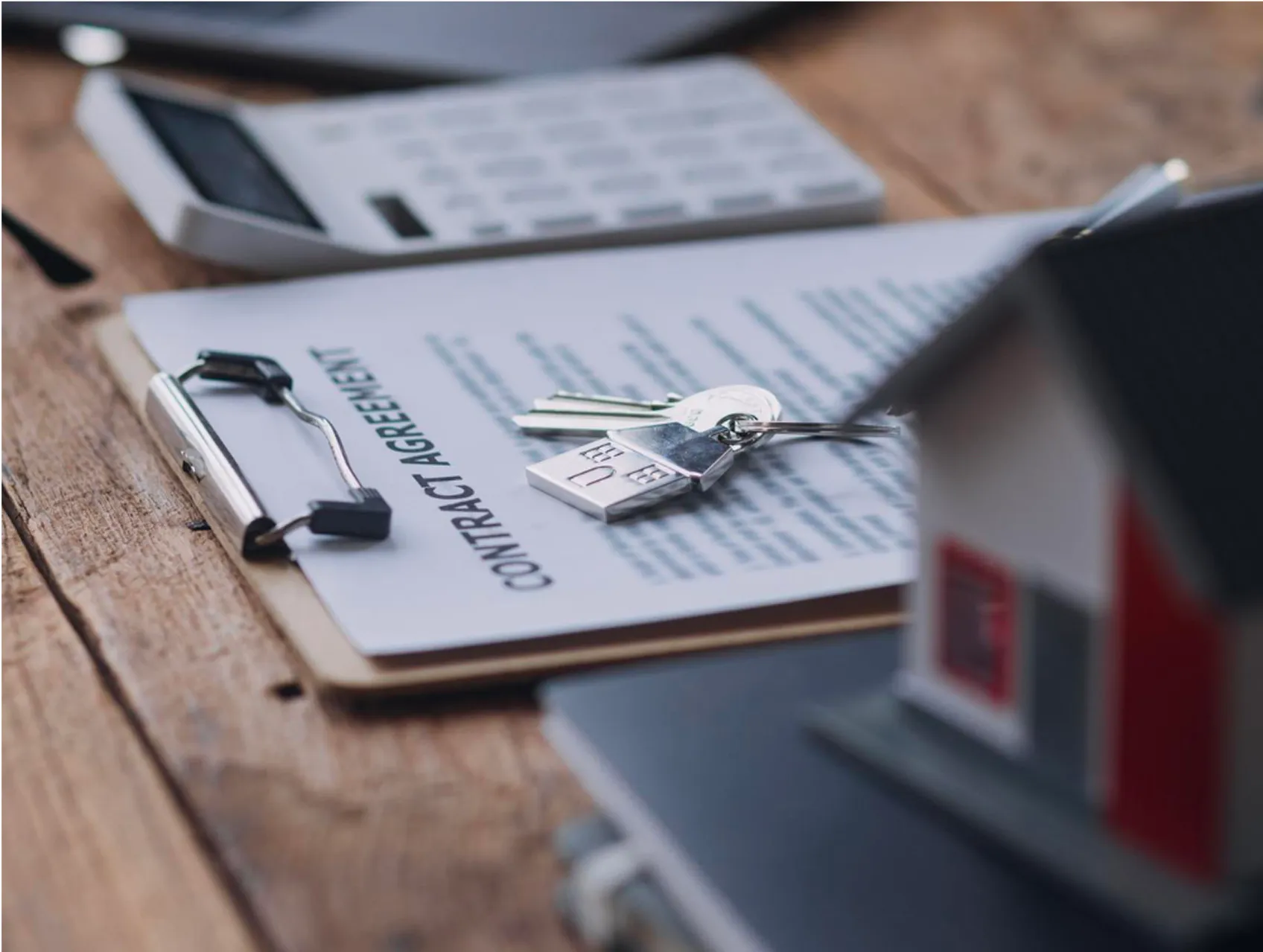
Collecting a security deposit from a new tenant helps to protect your investment should the tenant cause damage or break the lease. The rental agreement or lease agreement should clearly outline the terms and conditions regarding the security deposit, including the amount, use, and return procedures. All 50 states give landlords the legal right to request a security deposit along with the first month’s rent when a new tenant moves into a unit. It is important to collect both the first month's rent and the security deposit as an upfront payment before the tenant moves in. The security deposit is a sum of money paid by the tenant at the start of the lease, typically equal to one month's rent, and both the rent price and deposit amount should be specified in the rental agreement. However, state governments do not require the addition of a security deposit.
Table of Contents
How Much Can You Legally Charge a Tenant for a Security Deposit Under Security Deposit Laws?
The answer to this question depends on the state where you operate rental property. Several states have laws that dictate the maximum security deposit a landlord can charge, while other states have no limit. When a limit exists, it typically ranges from the equivalent of one to three months’ rent. You can find information for your state by either calling or visiting the website for your state’s housing authority. State laws vary regarding security deposit regulations, including limits on deposit amounts, handling requirements, and interest reporting obligations.
All incoming tenants should have the financial means to pay both the first month’s rent and a security deposit, which you would have verified during the background check. When setting your security deposit amount, consider the going rate for similar rental units in your market area along with state laws about the maximum amount you can charge. Some landlords may require a higher security deposit for tenants with lower credit scores or higher risk profiles. Most landlords set the deposit at one month's rent, but this can vary depending on local laws and property type.
Many states also allow landlords to request pet deposits, which are often collected separately from the standard security deposit, since pets tend to cause more damage to a living space than people do. You may even be able to request an additional deposit for items that have a higher risk of causing damage, such as a waterbed. State laws vary regarding what types of additional deposits are allowed and the maximum amounts. However, you should never assume you can request an extra security deposit without first checking the laws in your state.
The full security deposit is typically collected upfront before tenants move in and may be used to cover excessive cleaning costs if the property is left in poor condition beyond normal wear and tear.
Legal Ways You Can Use Security Deposit Funds
Some states require landlords to place the funds from security deposits in a separate bank account that earns interest. Even if landlord-tenant laws in your state do not require this, we recommend it for the sake of convenience. Managing security deposits in compliance with local landlord-tenant laws is essential, and a property management company or property management software can assist with this process. You also need to determine if your state requires you to provide the tenant with a receipt for his or her security deposit detailing the bank where you deposited the funds and the current interest rate. If the account earns interest, you may be required to report or return any accrued interest to the tenant as specified by state law.
When it comes to security deposits, it is best to consider them insurance against damage rather than income. A rental security deposit helps ensure good tenant behavior and covers costs related to lease violations, property damage, or unpaid bills. Every state has its own laws regarding when a landlord may keep some or all of a security deposit. While the laws can differ slightly from state to state, the following are typical reasons you may not return a tenant’s full damage deposit:
-
Tenant broke the lease or is behind on rent by one or more months
-
Tenant caused damage to the rental unit that goes beyond the normal expectation of wear and tear. In this case, you can only hold back enough funds to bring the unit to the same condition it was in when the tenant first started living there.
-
Tenant abandons personal property that you must dispose of or fails to return property belonging to you or the rental property such as keys or appliances
-
Lease violations
-
Unpaid bills
If the tenant requests to use part of the deposit for unpaid bills or rent, the landlord should clarify that the tenant's security deposit is intended for damages or end-of-lease obligations.
Should you need to keep a portion of or the full damage deposit, you will need to provide your reasons in writing to the tenant. If disputes arise over the tenant's deposit, either party may seek resolution in small claims court.
Best practices for managing security deposits include following security deposit tips such as collecting rent and security deposits as separate payments, using online platforms for collecting rent online and security deposit online, and considering a surety bond as an alternative to a traditional deposit. Collecting rent online and using dedicated platforms can streamline rent collection and security deposit management. Landlords should collect security deposits and rent as separate payments to ensure clear accounting and compliance. A surety bond can be used as an alternative to a traditional security deposit, providing financial protection for the landlord. Always consult local landlord-tenant laws to ensure compliance. If the rental agreement specifies, the landlord may need to pay rent and collect security deposits before move-in. If the tenant pays rent and security deposit online, it simplifies record-keeping and compliance.
Holding and Storing Deposits
Properly holding and storing security deposits is a key responsibility for any landlord or property manager. Security deposit funds must be managed in accordance with local laws and regulations, which often require landlords to keep these funds in a separate bank account, distinct from personal funds or other rental income. This separation not only ensures transparency but also protects both the landlord and tenant in the event of a dispute.
Many states and cities have specific security deposit laws that dictate how these funds should be handled. For example, some local regulations require landlords to place security deposits in an interest-bearing account or escrow account, and in certain cases, landlords must pay interest accrued on the deposit back to the tenant. It is important to research your state laws to determine whether you need to pay interest, and what the maximum amount you can collect as a security deposit is—often one or two months’ rent, but sometimes more for furnished rental properties.
When you collect a security deposit, always provide the tenant with a security deposit receipt. This document should clearly state the deposit amount, the date it was received, and the purpose of the payment. Keeping accurate records—including receipts, bank statements, and ledgers—will help you demonstrate compliance with security deposit management requirements and simplify collecting security deposits in the future.
Using property management software can make it easier to manage security deposit funds, track rent payments, and keep your records organized. These tools can also help you ensure that all security deposit amounts are handled according to local laws, and that funds are kept in a separate account as required.
In the event of a dispute—such as claims for unpaid rent, property damage, or cleaning costs—having thorough documentation is essential. Maintain records of any deductions, including photos or videos of property damage, invoices for repairs, and evidence of unpaid rent or utility bills. Remember, deductions from the security deposit can only be made for damages beyond normal wear and tear, not for the expected deterioration that comes with regular use of the rental unit.
By following best practices for holding and storing security deposits, you not only comply with state and local regulations but also build trust with your tenants. Prioritizing security deposit management and using the right tools will help you protect your rental property, simplify collecting security deposits, and avoid common pitfalls associated with handling tenant’s security deposits.
Returning the Tenant’s Damage Deposit
Some states limit the number of days you have to return a tenant’s damage deposit, so be certain you know and abide by the laws in your state. The typical average ranges from 15 to 30 days. If the tenant has fulfilled all obligations, with no property damage or unpaid rent, the landlord should return the entire security deposit within the required time frame.
When returning the tenant’s funds, draft a check from your security deposit bank account in the name of the rental property. Be sure to ask the tenant for a forwarding address and mail the check to that address. If the tenant’s new residence is close enough, you might also offer to allow him or her to pick it up in the rental office when it is ready. Don’t forget to include a written explanation of any amount of the deposit you had to keep to cover expenses in case the former tenant challenges it later.
